AKASH THAKKAR: Bringing Games to Life With Sound
I don't play a lot of videos games, and it's mostly because I'm really bad at them. But I do recognize the fact that video games are a culmination of practically everything creative: a story line, characters, visuals, interactivity, decision making, strategy, problem solving, music, sound design, soundscapes, and more. Developing video games entails developing entire worlds for people to interact with, and sound plays an extremely crucial role in cultivating those immersive environments.
From Metal Drummer to Sound Designer
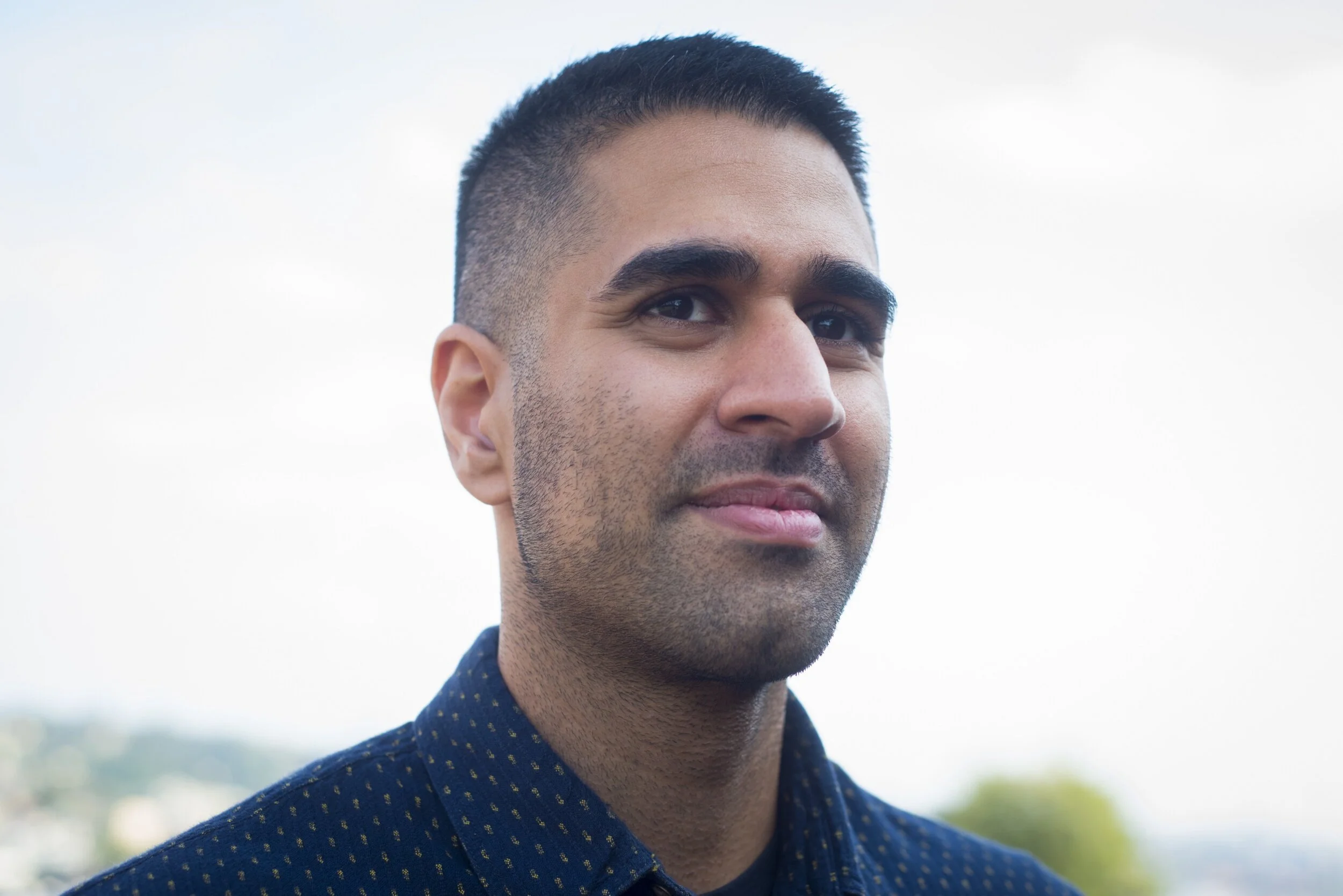
AKASH THAKKAR is a video game sound designer and composer based in Seattle, Washington and is at the forefront of developing those environments. He's worked on games such as Hyper Light Drifter, Concrete Genie, Destiny: Rise of Iron, and more. I came across Akash's work on his YouTube channel where he makes videos to help people pursue successful careers in video game music. As an aspiring sound designer/composer myself, I found Akash's videos to be incredibly helpful and inspiring and decided to take the time to reach out and hear more about his work and the wisdom he has to share.
How would you describe who you are and what you do?
I'm an optimist first. Yeah, I do sound design, but that's not everything. If I'm not making sounds, then who am I? That's why I say I'm an optimist. As for what I'm working on, I'm doing sound for a few indie games right now and my main focus is single-player narrative games.
How did you get involved with video game music and sound design?
I went to the Berklee College of Music and started going there as a performer. I was a drummer, had hair down to my butt, was in this metal band. That's what I wanted to do, be a touring drummer. Eventually I ended up playing with the video game orchestra and drummed alongside Final Fantasy composer, Nobuo Uematsu.
I got tired of performing just because it was so exhausting. Not my cup of tea, especially as an extreme introvert at the time. I saw there were people who were starting to get involved in game audio and so I got connected with them.
How long have you been working in video game music?
If we count any paid opportunity in sound design, I'd say I've been working in the field for just barely 11 years. In college I was getting paid very little doing sound for mobile games. Remember Facebook games? Those were a thing! I did those on the side and that's where it all started.
How do you as a sound designer play a critical role in creating emotion in games?
Sound is the instant, secret door to accessing the lizard part of our brains. When people hear a car backfire and jump, it's entirely associated with the sound, not the visual. We have a cool ability to trigger an emotion faster than any other sense. What I like to think about when doing sound design is realize that basically every sound--from a footstep to a gun sound--is there for an emotional reason.
It's up to us as sound designers to guide people through decisions using sound. It doesn't mean making people cry every time they match 3 in Bejeweled, but it means we can guide people in very subtle or overt ways. That's what's so cool about sound design.
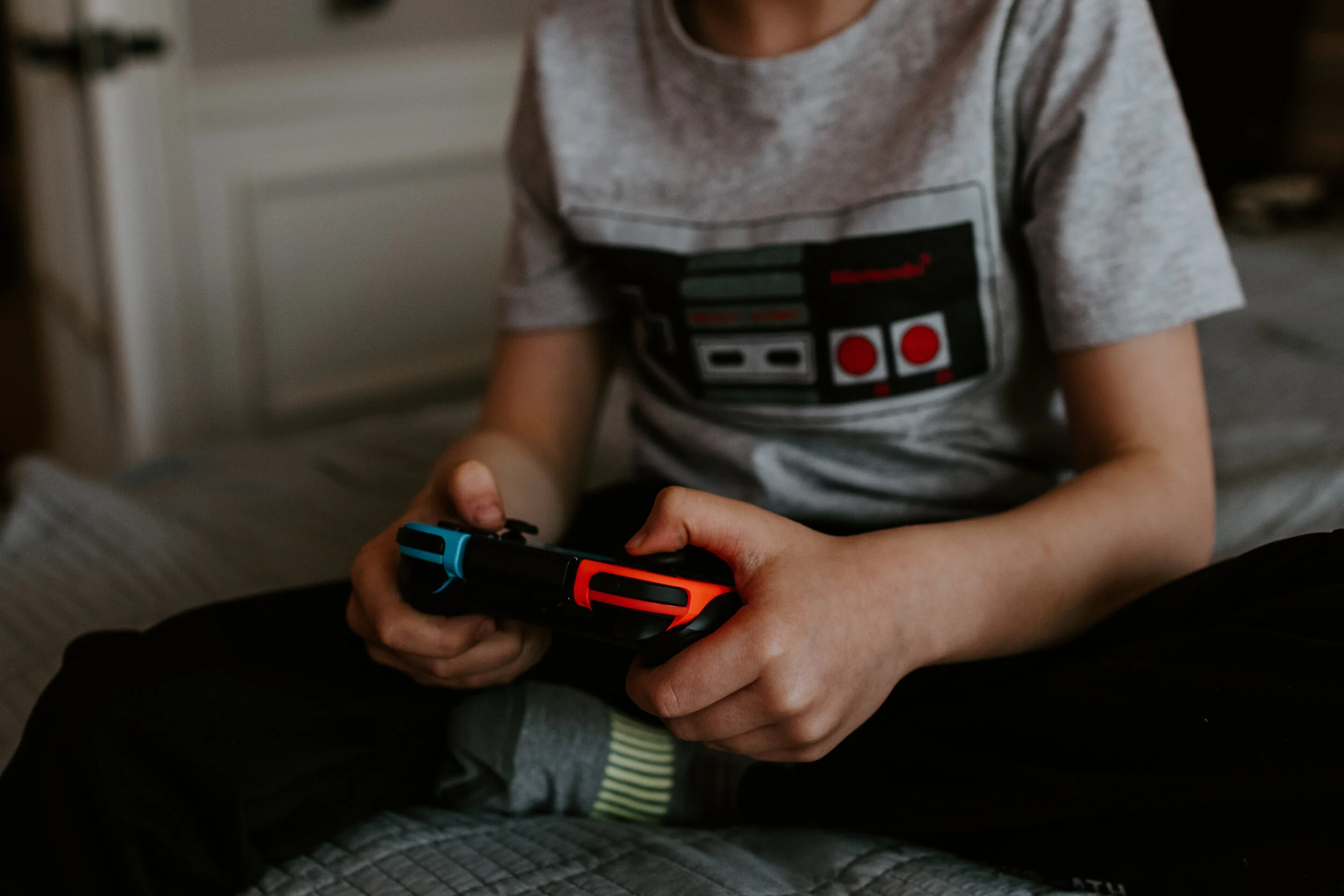
Unlike many mediums of art, sound is intangible. How does this affect the way you work and think about a project?
Collaboration is really affected. It's extraordinarily hard to talk about sound with other people, even sound people. If you're looking at something visual, everyone can agree and say, 'that's green.' But if you show a room full of people a sound or piece of music, no one is going to agree.
The amount of stuff you just throw at the wall and throw away is astronomical. Like, getting to version 30 for a sound is normal. No one talks about that! Literally no one gets it right the first time. And all the documentaries about sound designers cut out all the parts where they're like, 'oh I have no idea, the director told me this and I have absolutely no idea what they want!'
I was talking to a very high-level sound designer at a very large AAA game company where he was working on this huge game, and he basically got every sound wrong. The studio director yelled at him in front of the whole studio and said "this sounds terrible." And he was GOOD. But that's part of it! He said "okay, well let's try again," and now it sounds amazing.
What got you interested in education and teaching people about sound design?
It's a hold over from performing. I love being in the spotlight, even as an introvert. After I stopped doing the orchestra I got into public speaking, and at Berklee I would do a speech every week about game audio. It made me realize how fun it is to give a talk and see someone benefit from it.
In your TEDxRainier talk, you talked about why sound designers need to play more games. As a sound designer, what do you listen for when playing games?
For any artist doing something for a long time, your ears can't turn off. Even if you're not actively listening for sounds, you'll play a game and be like, "I have that sound in my library," or "oh, that sound has three layers." It's a nightmare for people to go see movies with me. It's not a special sense, it just happens. Sometimes I will actively listen to hear what's going on, but it's mostly passive and that just comes with time.
Why come to Seattle for sound design?
I'm very much an against-the-grain person because everyone else I knew moved to L.A. I knew the tech industry was booming in Seattle and nobody from audio was going there, so I was one of the first from Berklee to go to Seattle and I got a job within a week. The game industry here is so insanely good because it's very dev. focused. It's also super open, friendly, and welcoming. I can count on half of my hand the people who have huge egos. Everyone here is awesome.
What advice do you have for aspiring sound designers, especially during the COVID-19 pandemic?
Every creative is scared to put their stuff out there because they say they're not 'ready.' The reel and the website are secondary. The key is to just start talking to people, and during the pandemic it's actually easier because everyone is stuck at home!
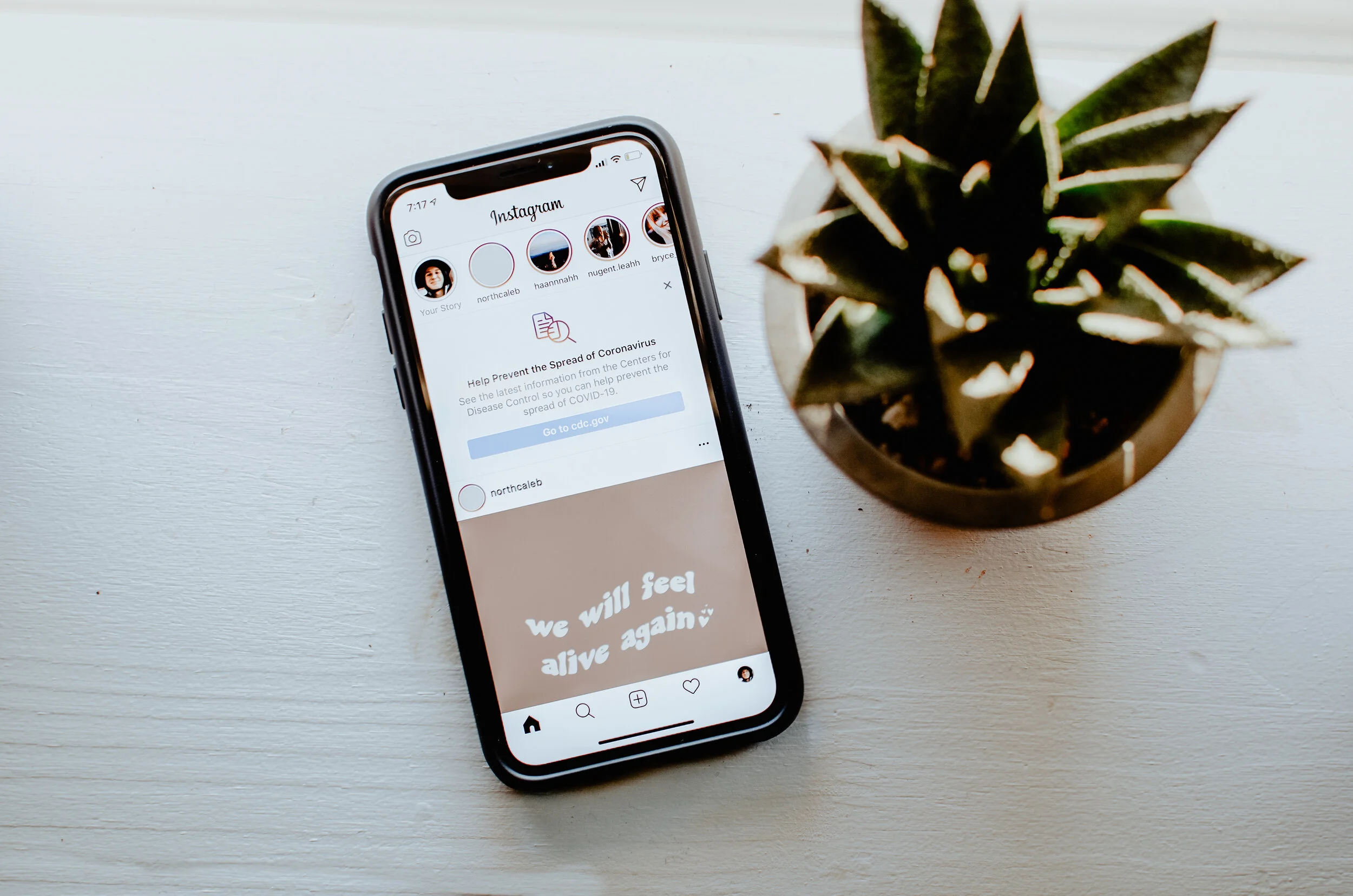
Instagram is gold and is crucial to networking, especially for creatives: open DMs, a place to showcase work...the simple act of reaching out to appreciate others' work is so easy but no one's doing it. Everyone assumes those people are so famous and get tons of emails, so no one reaches out to them. It's a golden time to start reaching out. One of my students got a job within 24 hours using Instagram, and I actually have a guide for how to use Instagram to further your sound design career.
If you'd like to check out more of Akash's work, you can head over to his website for articles, courses, and videos about how to gain a career in video game audio. He also recently started a new series titled "Reaper for Game Audio" on his YouTube channel.